Which Church?
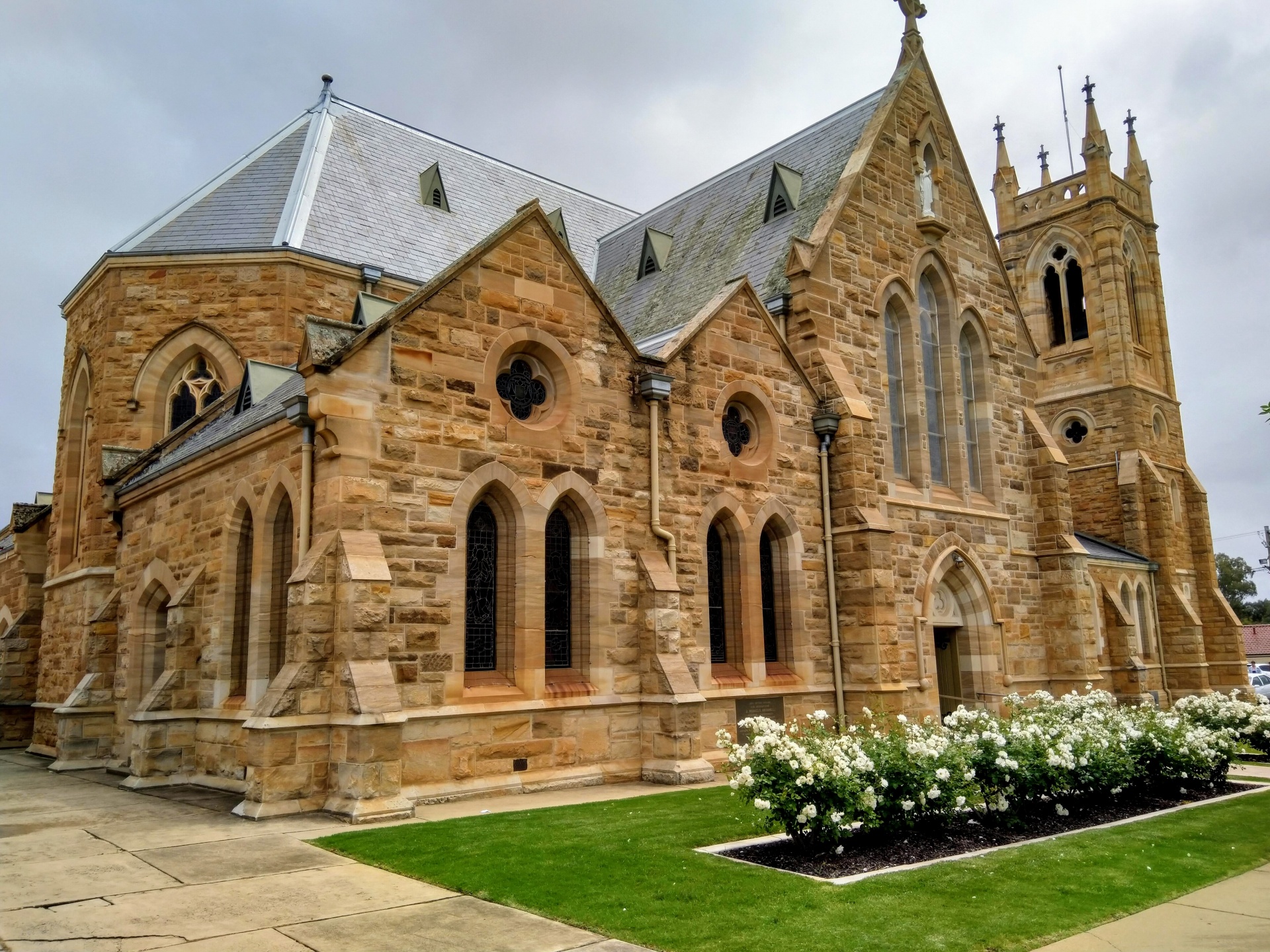
Which Christian Church or denomination should I attend? This is a very complex question that is evident by the various Christian Churches and denominations. It does not have a straightforward answer that everyone agrees with.
The key aspect is here is Christian beliefs. Not every “church” is actually Christian or have Christian beliefs. The core Christian beliefs are centered around these three questions:
Q- What you Believe About God.
A- There is only one God who is Creator of the Universe, sovereign, holy, and loving, revealed as three persons (the Trinity) —the Father, the Son, and the Holy Spirit. - Deuteronomy 6:4, Genesis 1:1, Matthew 28:19
Q- What you Believe About Jesus.
A- Jesus is a member of the Trinity and through Jesus’ life, death, and resurrection, people are offered forgiveness of sins and a restored relationship with God. - John 1:1-3, Romans 5:8–11, 1 Corinthians 15:3–4
Q- What you Believe About Heaven & Salvation.
A- Heaven is eternal life in God’s presence, where redeemed people live in fellowship with God. Salvation alone is a gift of God’s grace received through faith in Jesus Christ. - John 17:3, John 3:16, Ephesians 2:8–9.
I would not attend any Church that did not affirm these three beliefs.
Be careful, some “churches” claim to be Christian but do not hold these beliefs.
For example:
Morman/LDS – They do NOT believe that God is the Creator of the Universe, and they do NOT believe in the Trinity or that Jesus is a member of it.
Seven Day Adventist - They do NOT believe in the Holy Trinity, hence they do not believe that Jesus is God in Human form.
There are three main Christian Churches today. The Roman Catholic, the Eastern Orthodox and Protestant.
The differences between the three main Christian Churchs are listed below.
| Topic | Roman Catholic | Eastern Orthodox | Protestant |
|---|---|---|---|
| Authority | Pope + ecumenical councils; hierarchical magisterium | Autocephalous bishops + councils; conciliar and collegial authority | Scripture alone (varies by tradition); congregational, presbyterian, or episcopal governance |
| Scripture | Bible including Deuterocanonical books | Bible including traditional canon; local reception varies | Bible (66 books standard for most) |
| Creeds | Accepts ancient creeds (Apostles, Nicene) | Accepts ancient creeds (Apostles, Nicene) | Accepts ancient creeds; some denominations stress sola scriptura |
| Salvation | Grace received through faith and works; sacraments play a role | Theosis: union with God through grace, sacraments, and life in the Church | Justification by faith alone (sola fide); good works fruit of faith |
| Sacraments | Seven sacraments (baptism, Eucharist, confirmation, penance, anointing, orders, matrimony) | Seven mysteries/sacraments (similar list; emphasis on mystery) | Usually two primary ordinances/sacraments (Baptism, Lord’s Supper); some traditions recognize more |
| Eucharist | Transubstantiation: bread and wine become Christ’s body and blood | Real presence affirmed; mystery emphasized, no scholastic definition like transubstantiation | Views vary: symbolic, spiritual presence, or real presence (depends on denomination) |
| Saints & Icons | Veneration of saints; relics and images used; intercession practiced | Strong veneration of saints and icons; icons central in worship | Generally reject saint veneration as mediatory; use of images varies widely |
| Priesthood | Ordained priesthood; celibacy required for Latin-rite priests | Ordained priesthood; married clergy allowed in many jurisdictions; bishops celibate | “Priesthood of all believers”; ordained ministers vary by polity; clerical marriage common |
| Mary | Highly honored (Immaculate Conception, Assumption doctrines) | Honored as Theotokos; strong Marian devotion though different formulations | Honored as mother of Jesus; doctrines like Immaculate Conception/Assumption generally rejected |
| Human Nature | Fallen but capable of cooperating with grace | Fallen; emphasis on corruption but capable of healing by grace | Total depravity emphasized in many traditions; human response enabled by grace |
| Works & Indulgences | Good works and penance important; historical practice of indulgences reformed | Emphasis on asceticism and spiritual discipline; repentance and works of love | Good works as evidence of faith; rejection of indulgences and merit-based justification |
| Afterlife | Heaven, Hell, and Purgatory (state of purification); prayers for the dead | Heaven and Hell; some traditions emphasize intermediate purification and prayers for departed | Heaven and Hell; view of intermediate states varies; immediate entrance to eternal state common |
In full disclosure, I was born and raised Protestant, and I still attend a Protestant Church today. I fully believe in the and follow the five Solas, which are the foundation of the Protestant Church.
All three Churches do affirm the core beliefs listed above. However, there are some Roman Catholic doctrines that I have issues with, such as the authority of the Pope, the veneration of Mary, and the doctrine of indulgences.
Within the Protestant Church there are several denominations. In my opinion there are mainly small doctrine differences between the denominations. However, I would be very weary of any denominations that supports gay marriage and/or gay leaders in the church.
Here are additonal articles I have on What does it mean to be Protestant and What does it mean to be Catholic
The final choice is yours to make. There is not a clear answer. The main concern should be does your church affirm the following core Christian beliefs.
• There is only one God who is Creator of the Universe, sovereign, holy, and loving, revealed as three persons (the Trinity) —the Father, the Son, and the Holy Spirit.
• Jesus is a member of the Trinity and through Jesus’ life, death, and resurrection, people are offered forgiveness of sins and a restored relationship with God
• Heaven is eternal life in God’s presence, where redeemed people live in fellowship with God. Salvation alone is a gift of God’s grace received through faith in Jesus Christ.
Also, you should feel welcomed and be fed the Word of God in any church you attend.