Radioactive dating
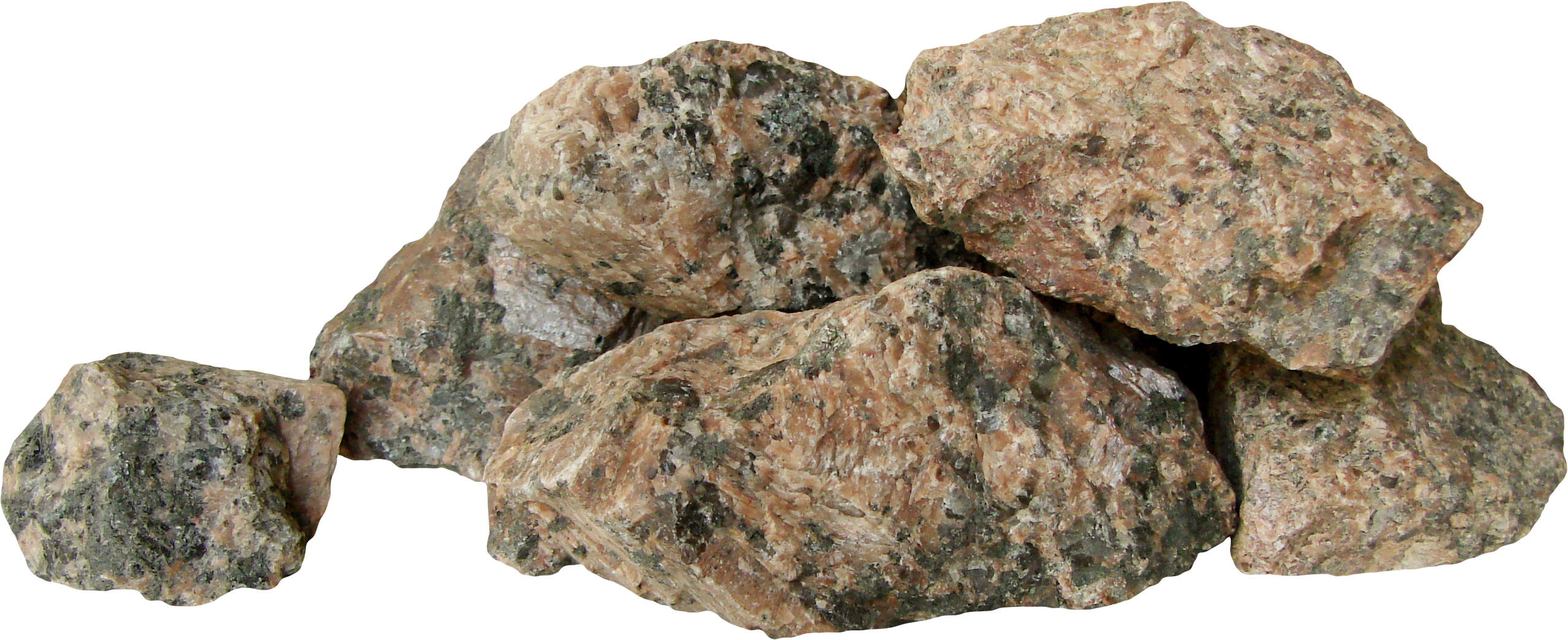
The age of the Earth being billons of years is mainly based on radioactive dating. What can be more scientific and accurate than that? Simply put radioactive dating involves taking radioactive elements such as Potassium-40, Uranium-238, Carbon-14 and measuring the half-life of these elements.
However, there is a major issue with radioactive dating. Some major assumptions are made when radioactive dating an item. To accurately perform the radioactive dating you have to know how much of each element was in the sample when it was created, you also must know that no elements were added to the sample, and you have to know that the decay rate has been constant. These are all flaws with the radioactive dating process.
For example, you have a candle that is 10 inches tall. You know that the candle burns at 1 inch per hour. You then walk into a room and see the burning candle and note that it is 5 inches tall. So, was that candle lit 5 hours ago? You CAN NOT know, when it was lit, by the current state of the candle. Was the candle the full 10 inches tall when it was lit? Was the candle lit burned for a while and put out and then relit? This is all information that you did not observe, therefore you cannot know when the candle was lit. This is the type of assumptions that are made with radioactive dating.
Here is a solid example of the issue with radioactive dating. When radioactive dating the rocks produced from the eruption of Mount St. Helens in 1980 the return ages have ranged from 350,000 to 2.8 million years for different mineral components. First off, how can that be, we know when the rocks were created and it was not 350,000 years ago. Also, why is there such a range of ages when the rocks were produced at the same time. Here we observed the rocks being created, yet the radioactive dating does not match the observation.
Another example includes basalt flows at Mount Ngauruhoe, New Zealand. Fresh lava erupted between the 1940s and the 1970s, yet it has been dated using radioactive methods and returned ages ranging from 270,000 to 3.5 million years. Once again if the dating is not accurate for rocks that we know the age of via observation of when they were formed, how can we trust the dating for rocks that we did not observe being formed.
Here is a doozy. Himalayan granite, depending on which radioactive dating method is being used, can date from 1.48 billion years to minus 97 years. Yes, minus 97 years, so it has not been formed yet?!?! So something is wrong with these raodioactive dating methods, which one should you trust?
As you can see with this evidence, there is something amiss with radioactive dating methods. Yes, it can be based on scientific facts, but something is clearly very wrong with the assumptions and methods used in the radioactive dating of rocks. Please view this video of more details on the issue with radioactive dating. Why Radioactive Dating CANNOT Be Trusted