Parables of Jesus
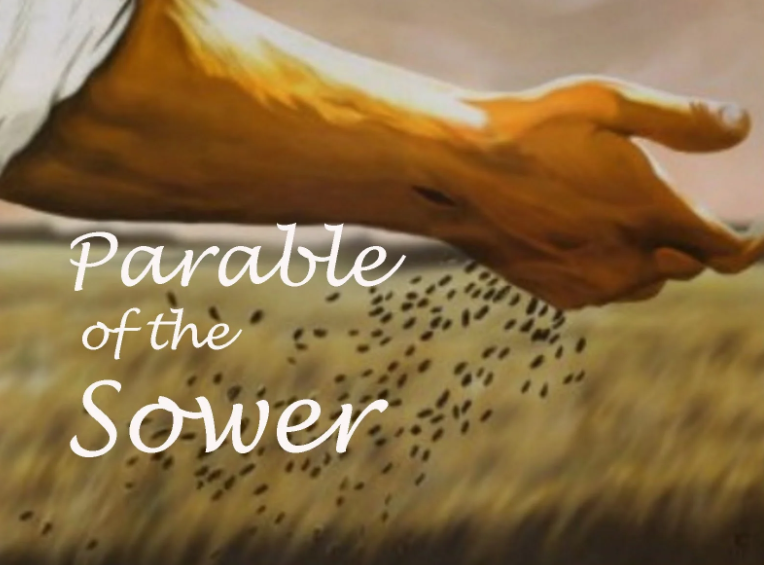
Parables are brief, narrative stories used by Jesus to convey spiritual truths and teachings in a way that is both relatable and memorable, often using everyday situations or objects to illustrate deeper theological concepts. By sharing these stories, Jesus aimed to engage his listeners’ imaginations and hearts, making the complexities of faith more accessible and understandable for all people.
Jesus used parables both to reveal the mysteries of the kingdom to those who were willing to hear and to conceal those same truths from those whose hearts were hardened against Him. He stated that he spoke in parables because people “seeing they do not see, and hearing they do not hear, nor do they understand.” (Matt 13:10–17) Rather than parables causing spiritual blindness, they exposed the hardness of heart that was already present in those unwilling to receive His message.
The Parable of the Sower - Matthew 13:3-23, Mark 4:3-20
Illustrates that the kingdom of God is like a seed planted in various soils, where the quality of the soil (representing one’s heart) determines whether the seed will grow into maturity or wither away.
The Parable of the Mustard Seed - Matthew 13:31-32, Mark 4:30-32
Compares the kingdom of God to a small mustard seed that grows into a large tree, illustrating that what may seem insignificant or powerless can become incredibly great with God’s power and growth.
The Parable of the Leaven - Matthew 13:33, Luke 13:20–21
Illustrates that the kingdom of God is like yeast that spreads through a batch of dough, indicating how even a small amount of spiritual influence can quietly but thoroughly transform and permeate an entire community or individual.
The Parable of the Weeds - Matthew 13:24-43
Teaches that the kingdom of God will coexist with evil and false teachings, allowing them to be present among believers until the final judgment, when the righteous will be separated from the wicked.
The Parable of the Net - Matthew 13:47-52 (also known as The Parable of the Dragnet)
Compares the kingdom of heaven to a dragnet that gathers both good and bad fish, illustrating how God’s salvation is offered to all people, but ultimately only those who persevere in faith will be gathered into His eternal kingdom.
The Parable of the Pearl - Matthew 13:45-46
Illustrates that the kingdom of heaven is like a valuable pearl that a merchant would sell everything to acquire, indicating its immense worth and value.
The Parable of the Talents - Matthew 25:14-30
Teaches that God entrusts each person with gifts and abilities (talents) to use for His glory, and holds them accountable for how they steward these resources, rewarding faithfulness and diligence, but condemning sloth and unfaithfulness.
The Parable of the Unforgiving Servant - Matthew 18:21-35 (also known as The Parable of the Debtor)
Warns against the dangers of harboring unforgiveness and grudges towards others, by illustrating that those who refuse to forgive others will also not be forgiven by God.
The Parable of the Wicked Tenants - Matthew 21:33-46 (also known as The Parable of the Vineyard)
Illustrates God’s judgment on those who reject and mistreat His messengers, including Jesus Christ, and warns that they will face severe punishment for their unfaithfulness.
The Parable of the Wedding Feast - Matthew 22:1-14
Warns against rejecting God’s invitation to salvation and instead chooses to invite those who are least expected by the world, illustrating that God’s plan of salvation is not limited to the Jewish people or the righteous, but is for all nations.
The Parable of the Two Sons - Matthew 21:28-32
Illustrates that true obedience to God matters more than mere profession, with the tax collectors and prostitutes representing those who ultimately do God’s will despite their initial resistance, while the religious leaders represent those who claim obedience but refuse to believe
The Parable of the Tax Collector and the Pharisee - Luke 18:9–14
Contrasts self-righteousness with spiritual humility, showing that the tax collector who confesses his sinfulness and appeals to God’s mercy—rather than the Pharisee who boasts of his moral accomplishments—receives justification before God.
The Parable of the Vineyard Workers - Matthew 20:1-16
Teaches that God’s generosity and willingness to reward His servants is not based on their merit or length of service, but rather on His own sovereign and gracious choice to bless them
The Parable of the Lost Sheep - Luke 15:4-6
Illustrates God’s deep concern for the spiritual well-being of each individual and His willingness to go to great lengths to rescue and restore those who have strayed from Him.
The Parable of the Prodigal Son - Luke 15:11-32
Tells the story of a wayward son who returns to his father, illustrating God’s boundless love and forgiveness for those who have wandered from Him, as well as the often-overlooked kindness and patience of God towards His rebellious children.
The Parable of the Good Samaritan - Luke 10:25-37
Illustrates the true nature of neighborly love and compassion by describing a traveler who shows kindness to a stranger in need, emphasizing that loving one’s neighbors is not limited to those close to us, but includes showing mercy to anyone in distress.
The Parable of the Rich Fool - Luke 12:13-21
Warns against the dangers of trusting in wealth and material possessions, illustrating that true security and happiness come from living a life pleasing to God, rather than accumulating earthly riches.
The Parable of the Unprofitable Servant - Luke 17:7-10 (also known as The Parable of the Slave)
Teaches that faithful service to God is not about achieving great results or producing significant fruit, but rather about consistently and obediently carrying out one’s duties, no matter how small they may seem
The Parable of the Ten Virgins - Matthew 25:1-13
Teaches that spiritual readiness and vigilance are necessary for eternal life, as five wise virgins who prepared themselves with oil (representing spiritual preparation) were able to enter the kingdom, while five foolish ones who failed to prepare were left outside.
The Parable of the Rich Man and Lazarus - Luke 16:19-31
Illustrates the consequences of a life spent accumulating wealth and neglecting one’s spiritual responsibilities, while also highlighting God’s care for those who are poor and vulnerable, as the rich man is condemned to eternal punishment, while Lazarus enjoys a place of comfort and rest.