Understanding the LDS Church
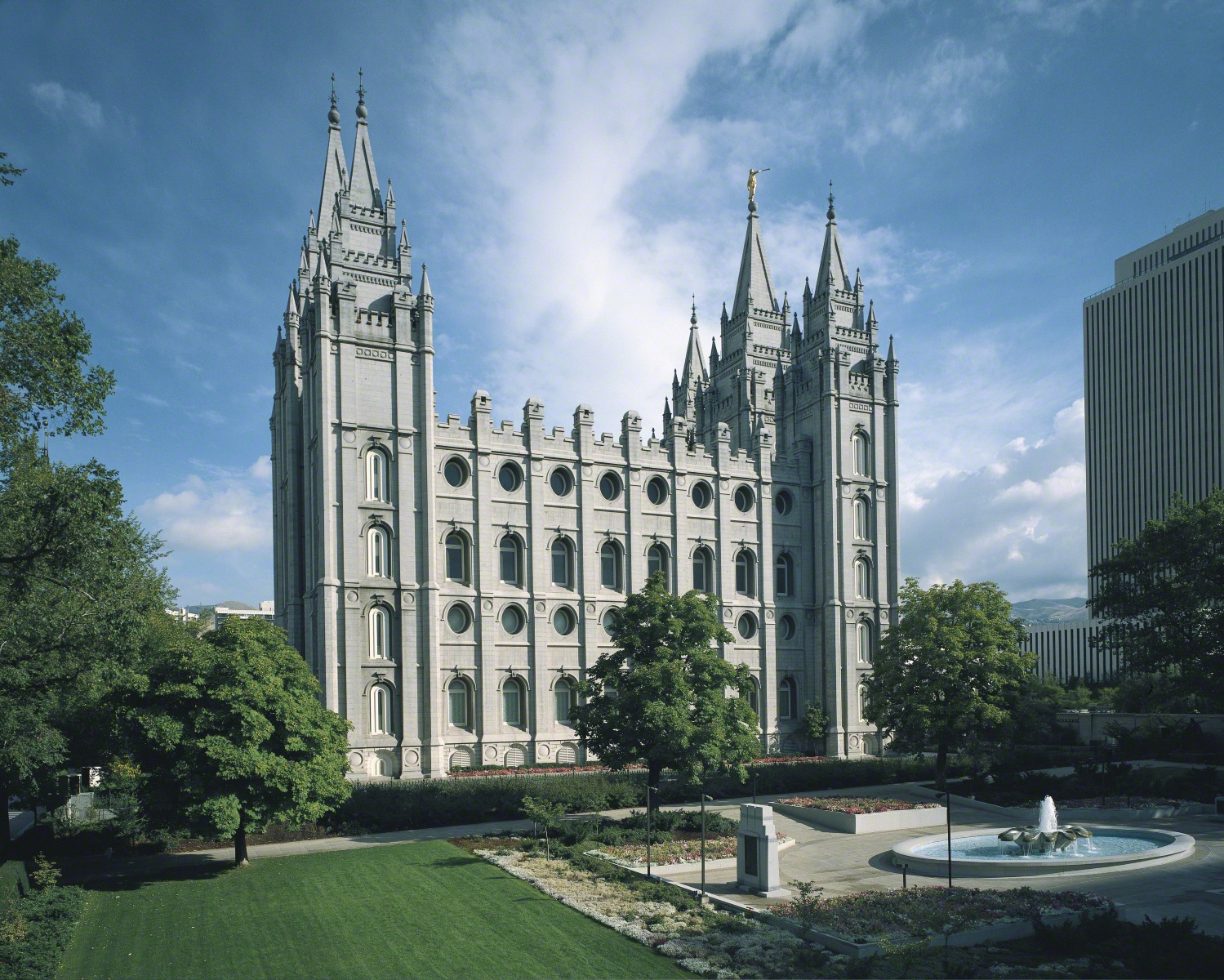
The Church of Jesus Christ of Latter‑day Saints (LDS Church and Mormon) is a false church. The LDS church claims to believe in the same God and Jesus Christ as Christians do. However, they do NOT believe in the same God and Jesus Christ as Christians do. Their God, their Jesus and their belief system is very different, and it directly contradicts with Christian teachings and beliefs.
The following are the LDS/Mormon teachings and beliefs that contradict directly with Christian teachings and beliefs:
• God’s Nature: Mormons believe in a plurality of Gods (D&C 93:17-20) and that God the Father was once a mortal man who became a god through obedience to laws and ordinances (King Follett Discourse). In contrast, Christianity teaches that there is one God in three persons (Father, Son, Holy Spirit), and that God is eternal and unchanging.
• Pre-existence and Eternal Progression: LDS theology teaches that human beings existed as spirit children of Heavenly Father and a Heavenly Mother before their earthly birth — a concept called pre-mortal existence. Mortal life is understood as a stage of progression in which spirits gain physical bodies and prove themselves worthy of exaltation. The LDS doctrine of eternal progression includes the possibility of humans becoming gods of their own worlds, has no basis in Christian Scripture. This is the ultimate goal in LDS theology, expressed clearly in the famous Lorenzo Snow (fifth President of the LDS Church) couplet: “As man now is, God once was; as God now is, man may become.”
• The Godhead: The LDS Church teaches that the Godhead consists of separate gods who are distinct from each other (D&C 130:22-23). This contradicts traditional Christian teaching, which affirms that the Father, Son, and Holy Spirit are one essence in three persons (Matthew 3:16-17; 2 Corinthians 13:14). Mormons explicitly reject the Christian doctrine of the Trinity
• Jesus Christ’s Nature: Mormons believe Jesus is the literal son of God the Father (D&C 93:21), the spirit-brother of Lucifer, and has a physical body like the Father’s (D&C 130:22). Christians, on the other hand, affirm that Jesus is eternally begotten of the Father (John 1:14; Galatians 4:4) and has a divine, not human, nature.
• Salvation and Grace: The LDS Church, teaches a cooperative model of salvation. While Latter-day Saints affirm that Christ’s atonement is essential, they also hold that obedience to laws, ordinances, and covenants is required for exaltation (the LDS highest degree of salvation).
• Scripture and Authority: The LDS Church accepts four “standard works”: the Bible (only “as far as it is translated correctly”), the Book of Mormon, Doctrine and Covenants, and the Pearl of Great Price. Beyond these, the LDS President is considered a living prophet who can receive new revelation — meaning LDS doctrine can and has changed over time (e.g., the 1978 reversal on racial restrictions for priesthood).
• Priesthood and Church Authority: The LDS Church teaches that the true church and its priesthood authority were completely lost from the earth after the deaths of the apostles, an event called the “Great Apostasy”, and that this authority was only restored through Joseph Smith beginning in 1820. This claim requires accepting that the church Christ promised to build (Matthew 16:18 — “the gates of hell shall not prevail against it”) did in fact fail for nearly 1,800 years.
The Mormon teachings and beliefs touch on the nature of God, the person of Christ, the means of salvation, and the basis of Scripture, the very foundations of the faith. While LDS are sincere and often devout people, sincerity does not determine truth. The Apostle Paul warned that even a message that seems like the gospel but alters its substance is “a different gospel” (Galatians 1:6-9), and Jesus himself stated, “Beware of false prophets, who come to you in sheep’s clothing but inwardly are ravenous wolves." (Matthew 7:15)
The following are a couple videos regarding the LDS Church.