Roman Catholic
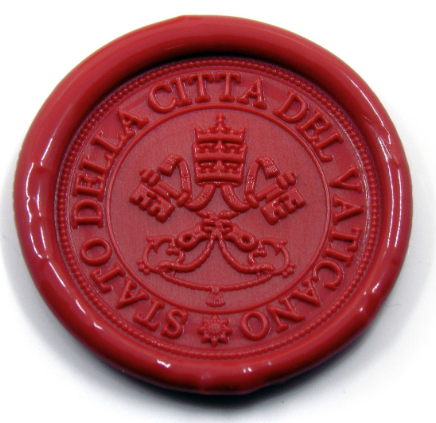
What does it mean to be Roman Catholic?
Roman Catholicism is the oldest continuous branch of Christianity, tracing its roots to Jesus Christ and the apostles, with a particular emphasis on the leadership role of the apostle Peter. Catholics believe the Church is both a spiritual and visible institution, guided by Scripture, sacred tradition, and the teaching authority of the Church. Catholics and Protestants share belief in the Trinity, the divinity of Christ, the resurrection, and salvation through Christ. However, several key distinctives shape Catholic identity: Core Distinctives of Catholic Belief
• Authority of the Pope — Catholics affirm that the Pope is the successor of Peter and the visible head of the universal Church, entrusted with a unique pastoral and teaching authority.
• Scripture and Sacred Tradition — Catholics believe divine revelation comes through both the Bible and the apostolic tradition preserved by the Church. Both are interpreted authentically by the Magisterium (the Church’s teaching office).
• Sacramental Life — Catholics hold that Christ instituted seven sacraments (Baptism, Confirmation, Eucharist, Reconciliation, Anointing of the Sick, Matrimony, Holy Orders) as channels of grace. The Eucharist is central, understood as the real presence of Christ.
• Role of Mary and the Saints — Catholics honor Mary as the Mother of God and venerate the saints as examples of holy living who intercede for believers. This is not worship but a recognition of the “communion of saints.”
• Salvation as a Lifelong Journey — Catholics believe salvation involves faith, grace, and cooperation with God through a life of obedience, repentance, and participation in the sacraments.
One of the major differences between Roamn Catholicism and the other Christian branches of Eastern Orthodoxy and Protestantism is in Papal Authority. The pope is the Bishop of Rome, a title that reflects both historical continuity and spiritual responsibility, of the whole Roman Catholic Religion.
This authority is rooted in Christ’s words to Peter in Matthew 16:18–19 and John 21:15–17, where Peter is given the “keys of the kingdom” and charged to “feed” Christ’s flock. The Pope is the head of state of the Vatican, and administratively the Pope leads the Holy See—the central governing body of the Catholic Church. In these roles he exercises full and supreme jurisdiction over Church governance, discipline, and Catholic teaching.
Note that there are also Eastern Catholic churches, which are similar to the Roman Catholic (also called Western Catholic). The Eastern Catholic churches maintain their own internal governance structures and liturgical autonomy while acknowledging the pope’s primacy of honor and jurisdiction. Each church is led by its own patriarch or major archbishop who possesses significant authority over his community’s theological and disciplinary matters.
Excellent video on what it means to be Catholic.
Why Be Catholic and Not Just Christian?